
Maintaining Solar Geysers
Common Maintenance Issues with Geysers and How to Spot Them
If you have a smart solar system control unit, it will perform diagnostics on various faults that may occur with the installation. It provides error messages from E1 to E9, pinpointing specific problems.
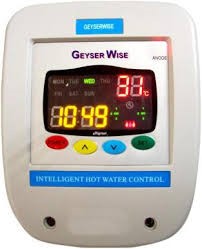
Smart Solar system control unit.
Smart Solar System Control Unit
No Hot Water When There is No Sunlight
This issue may stem from a faulty heating element or an electrical issue where power isn’t reaching the element to heat the geyser.
Solar Not Working When There is Sunlight
This usually occurs in split systems when the pump stops working, preventing water from moving to the collectors for heating. In such cases, the pump will need replacement.
Indirect System and Antifreeze Fluid
When glycol is depleted, water won’t circulate to the collector, disabling the solar system. Replenishing glycol, typically once a year, ensures the system functions seamlessly.
Smart Control System for the Geyser Breaking Down
In split systems, if the control unit malfunctions, water won’t reach the collector for heating. This requires repair of the unit to restore functionality.
Equipment Damage
Extreme weather, like hailstorms, may damage collectors, disabling their heating ability. In general, collectors are robust, but in such cases, contact a plumber or your insurance provider.
How to Prevent Electrical Geyser Issues
The heating element is often the source of problems. If the flange gasket (the element’s seal) wears out, it can leak, causing water to damage the element.
Why is My Geyser Leaking? Top Reasons and Solutions
Two common reasons for a leaking geyser, aside from pipe issues, are:
- High temperatures combined with low hot water usage, causing the relief valve at the top of the manifold to release water.
- A bursting geyser, which will release water when this occurs.
Types of Solar Geyser Systems
There are two types of solar geyser systems:
- Direct System (Tubes): Ideal for mild winters and requires little maintenance.
- Indirect System (Flat Glass Panel): Suitable for severe winters, requires annual antifreeze replacement.
Installation Methods
Two methods for installing solar geyser systems:
Thermosiphon Method
The geyser tank sits on top of the solar collector, and gravity moves water to the collector for heating. This method is cost-effective.
Split System
In this method, the geyser tank is separate, and a pump circulates water to the rooftop collector. Though aesthetically preferable, this setup is more costly due to maintenance of the pump.
Contact a Professional Plumber
If you experience any of the above issues, contact a professional plumber. For geyser installations or repairs, reach out to Superquick Plumbing and Electrical. Visit www.superkwik.co.za, email info@superkwik.co.za, or phone/WhatsApp 0734247271.