Blocked Drains
All your fixtures, including sinks, basins, toilets, showers, and bathtubs, have piping that channels used water (wastewater) to the municipal main sewer line. Due to improper use of these fixtures, drains, and pipes, along with other factors, the sewer line from your property to the main line may become blocked or even collapse, requiring serious repair or replacement.
Common Causes of Blocked Drains
Tree Root Infiltration
As tree roots grow, they search for water sources. If they latch onto the sewer line, they may grow into the pipe to reach the water inside. Over time, roots can break or fully block the pipe. Roots enter pipes through cracks, fractures, or loose joints, with clay pipes being particularly vulnerable to root infiltration.
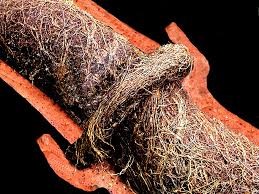
In general, clay pipes are more vulnerable to root infiltration.
Flushing Strange Items Down the Toilet
Only human waste and toilet paper should be flushed down the toilet, as toilet paper is designed to break down in water. Flushing other items can lead to blockages.
Grease and Fats
Disposing of grease, oils, and fats down the sink can cause issues over time, as they contribute to pipe blockages.
Signs Your Sewer Line May Be Blocked
Frequent Blockages
Frequent blockages may indicate a bigger problem with the waste pipes. Calling a professional with unblocking equipment, such as an unblocking machine, is more effective than rods for serious issues like roots. Although it costs more, it’s cheaper than replacing a whole drain section if it collapses. Drain-cleaning liquids often prove insufficient.
Toilets and Bathtubs
Signs of a more serious issue include toilet water bubbling, water rising when you flush, or water backing up from your bathtub or shower when flushing the toilet.
Preventative Measures for Blocked Drains
Non-Degradable Items
Avoid flushing non-degradable items, such as wet wipes and paper towels, down the toilet. Unlike tissues, these items do not break down easily in water, leading to blockages at the toilet or down the sewer line.
Grease and Fats
Avoid pouring grease, fats, and oils down your sink, as they harden when cooled and stick to pipes. This can lead to long-term drainage issues, including blockages and foul smells. Instead, pour grease and fats into a container, let them cool and harden, and then dispose of them in the trash.
DIY Solutions
For minor blockages, try using a plunger. If this doesn’t work, it’s best to call a professional plumber.
Contact a Professional Plumber
If you notice any of the signs mentioned above, contact a professional plumber. For assistance with unblocking drains, reach out to Superquick Plumbing and Electrical. Visit www.superkwik.co.za, email info@superkwik.co.za, or call/WhatsApp 0734247271 to schedule an appointment.