
High-Pressure Solar Geysers
In general, electrical water heating accounts for between 25-40% of your overall electrical bill. Converting electrical to solar using collectors can result in savings of up to 90% of the heating bill.
How solar geysers work
Solar geysers operate by using the sun or an electrical element to heat water stored in a tank. When there is sunlight, the collector will heat the water only to switch to electrical when the sun disappears. The water goes to the solar collector where it is heated, once it is hot it will get lighter and move to the tank as it is displaced by cold water in the collector.
What are the two types of solar geyser systems?
There are two types of solar systems for water heating, the direct system which uses tubes, and the indirect system which uses a flat glass panel as the collector.
High-Pressure Solar Geysers
In general, electrical water heating accounts for between 25-40% of your overall electrical bill. Converting electrical to solar using collectors can result in savings of up to 90% of the heating bill.
How solar geysers work
Solar geysers operate by using the sun or an electrical element to heat water stored in a tank. When there is sunlight, the collector will heat the water only to switch to electrical when the sun disappears. The water goes to the solar collector where it is heated, once it is hot it will get lighter and move to the tank as it is displaced by cold water in the collector.
What are the two types of solar geyser systems?
There are two types of solar systems for water heating, the direct system which uses tubes, and the indirect system which uses a flat glass panel as the collector.
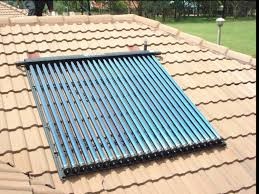
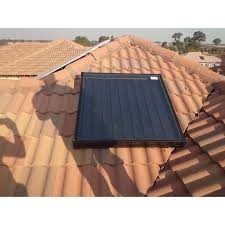
What are the options when it comes to choosing a system?
The Direct System.
The system that uses tubes is ideal for regions with ample sunlight and relatively mild winters since it requires direct exposure to the sun for it to perform optimally. With the direct system, water moves through the tubes solar collector directly into the tank.
The indirect system.
This system which uses a flat glass solar collector is better suited for areas with harsh winters as they continue to operate efficiently even in cold conditions. The system utilises an anti-freeze heat transfer fluid called glycol to capture and transfer water stored in a geyser tank to the collector for heating.
What are the different methods of installing the solar geyser system?
The thermosiphon system.
The installation is typically on top of the roof, where the geyser tank is on top of any of the collector. The water will use gravity to move either to the tubes collector or the flat glass panel collector.
The Split system.
An installation where the tank sits in a different place from the solar collector, typically the tank will be in the roof and the collector on top of the roof where it will access the sun. The water movement is facilitated by a pump.
In all instances, it is best to include a smart panel system that regulates the movement of water, when to use the sun, and when to use electricity. The system has a dashboard that will show you the temperature in the tank at any given time as well as what is being used to heat the water at any particular time between the sun and electricity. It can also be used as a timer should you need to limit the times you use electricity for heating water. The system will also show error messages should anything stop working on the system.
Smart System for Solar Geysers.
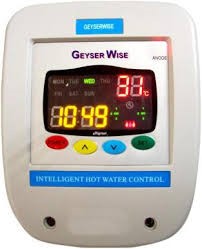
Smart Solar system control unit.
Warranties for solar geysers.
In South Africa, geyser tanks come with a five-year warranty which the manufacturers will only honour if the installation is compliant with the regulations for installing a geyser.
Why you should use a qualified plumber for your geyser installation.
It is important to get a specialised solar plumber to install the geyser, the risk you take using an unqualified plumber.
- Your warranty being voided in case the geyser busts within the warranty period.
- An ordinary plumber may struggle to get the solar system to work which will leave you in the original position using electricity.
How to file a solar geyser warranty claim in South Africa.
The plumber must check and inform you whether the geyser tank is still under warranty, they must give you the picture of the warranty slip. If the geyser tank is still under warranty, you should phone the manufacturer to come and replace it for you and if out of warranty it will be your responsibility to replace the geyser unless you are insured. With insurance, you can phone them first, and they will send their team to replace the geyser, or you can use your plumber and claim back the cost from them.
We advise that you keep a separate record of the warranty slip which is stuck on the geyser just in case it gets damaged over the years making it difficult for you to claim your warranty down the road (Ask the installing plumber to give you a pic). The most important piece of information is the serial number, the type of geyser the capacity and the month and year it was bought.
The warranty slip.
Warranty Slip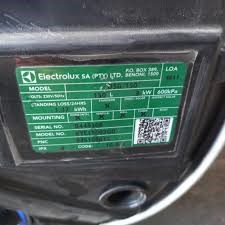
Should you experience any of the above problems, contact a professional plumber. For assistance installing or repairing geysers contact Superquick Plumbing and Electrical, you can visit the website www.superkwik.co.za or email info@superkwik.co.za or phone/WhatsApp 0734247271